
Native Butterfly Host Plants for the Willamette Valley
Doing some garden planning? Here's a handy dandy list of native plants that support butterfly caterpillars.

The monarch is probably the most well-known butterfly in the world. Unfortunately, its range has also declined considerably. Gardeners are becoming more and more aware that in order to have monarchs, there has to be milkweed - the only plant that the monarch caterpillar will feed on.
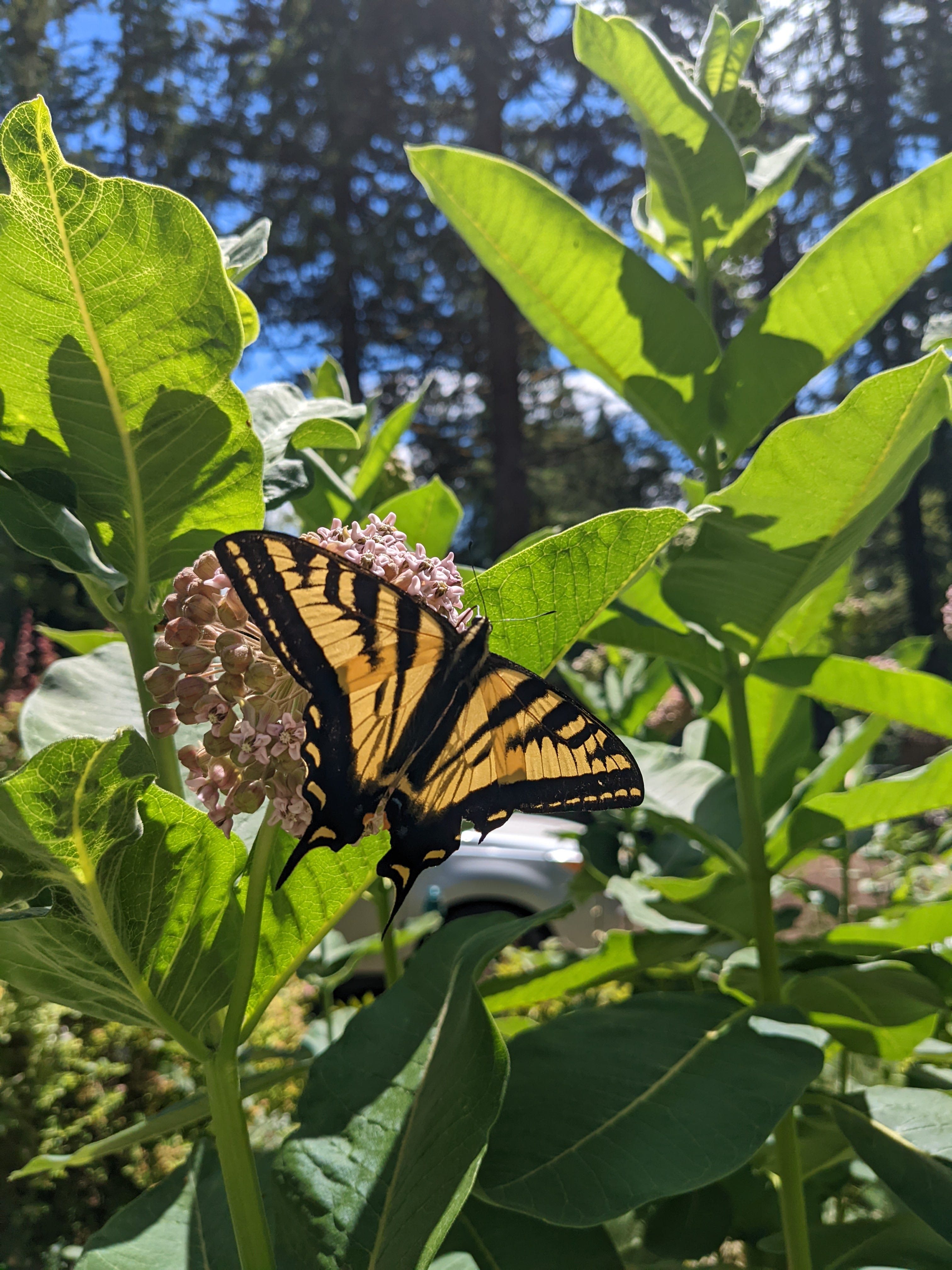
But did you know that all butterflies require specific plants to feed their caterpillars? These plants are called host plants, which are different than what butterflies use as nectar plants. Host plants feed the caterpillar, nectar plants feed the butterfly. Often the butterfly will nectar on its host plant, plus a whole range of other plants, which I won’t go into here.
The focus of this post will be on host plants - since there are no butterflies without caterpillars and their associated plants.
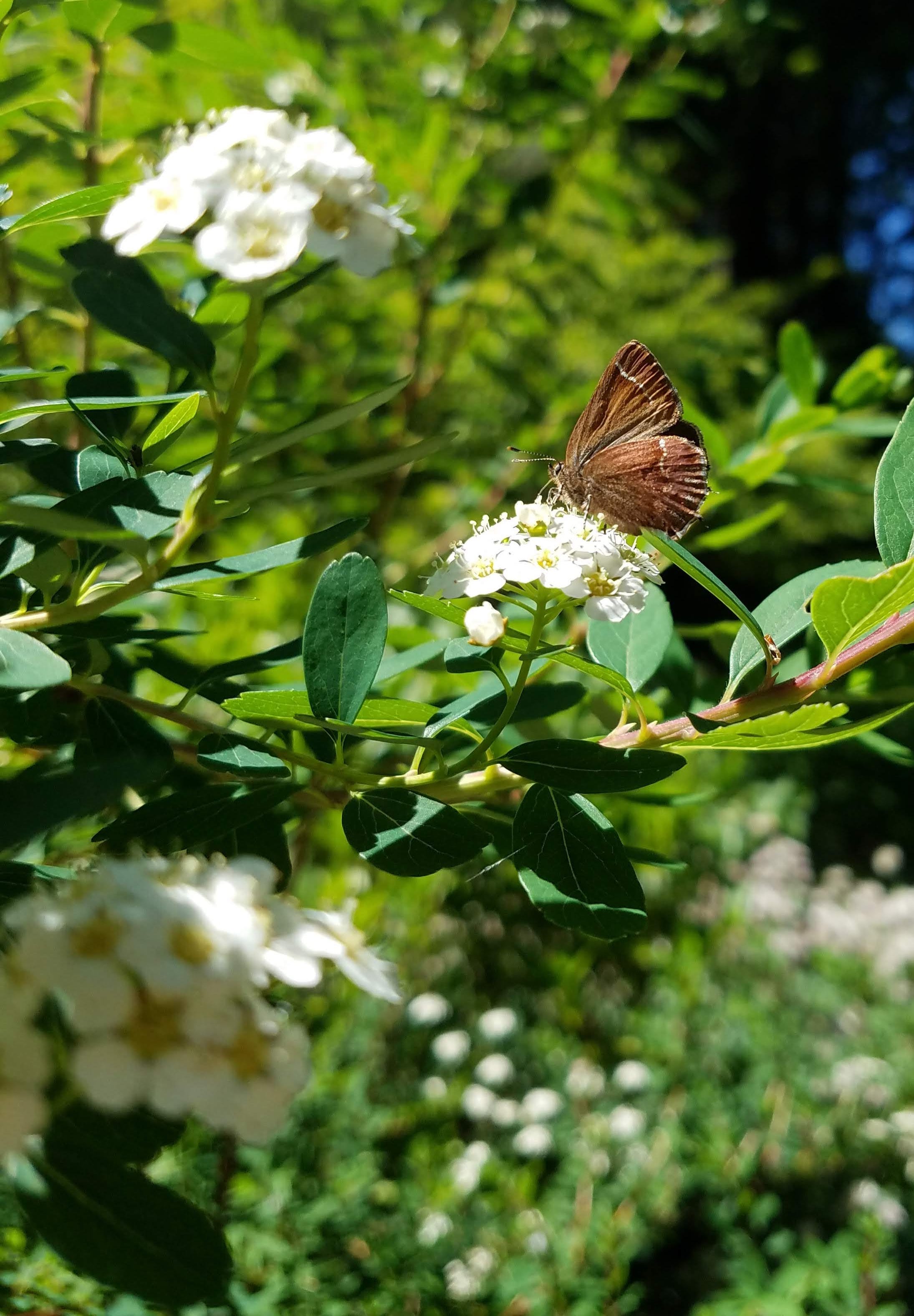
I have a thing for butterflies and moths. Their visits feel so ethereal. I love observing them up close - their coloring is so cool! I’ve done what I can to expand their habitat on my property.
Moths aren’t as specific about what plants they need, and I’m not typically awake when they are out doing their thing. Since they come out mostly at night and their plant needs are far more extensive, I’ve focused my efforts on learning native butterfly plants.
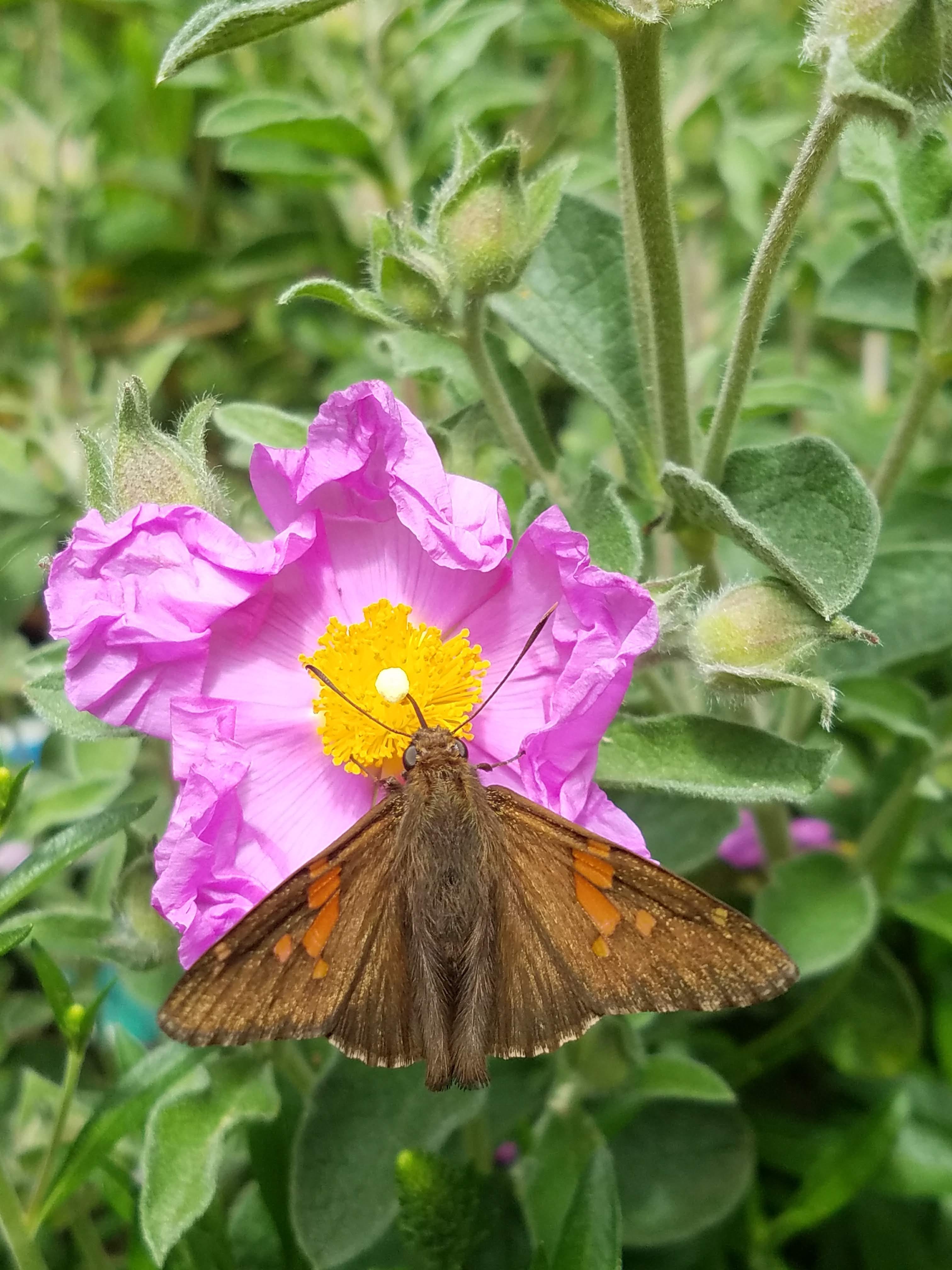
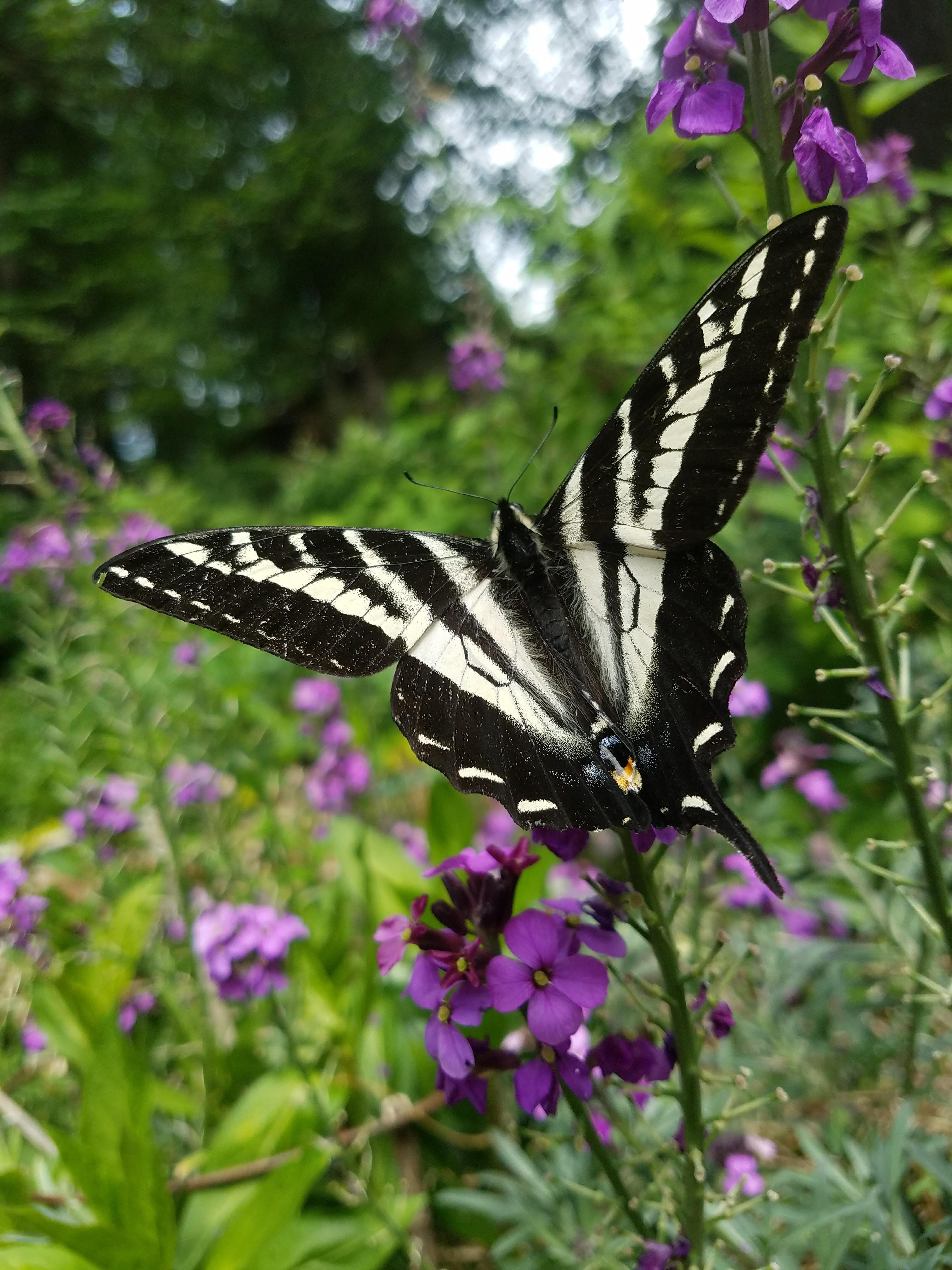
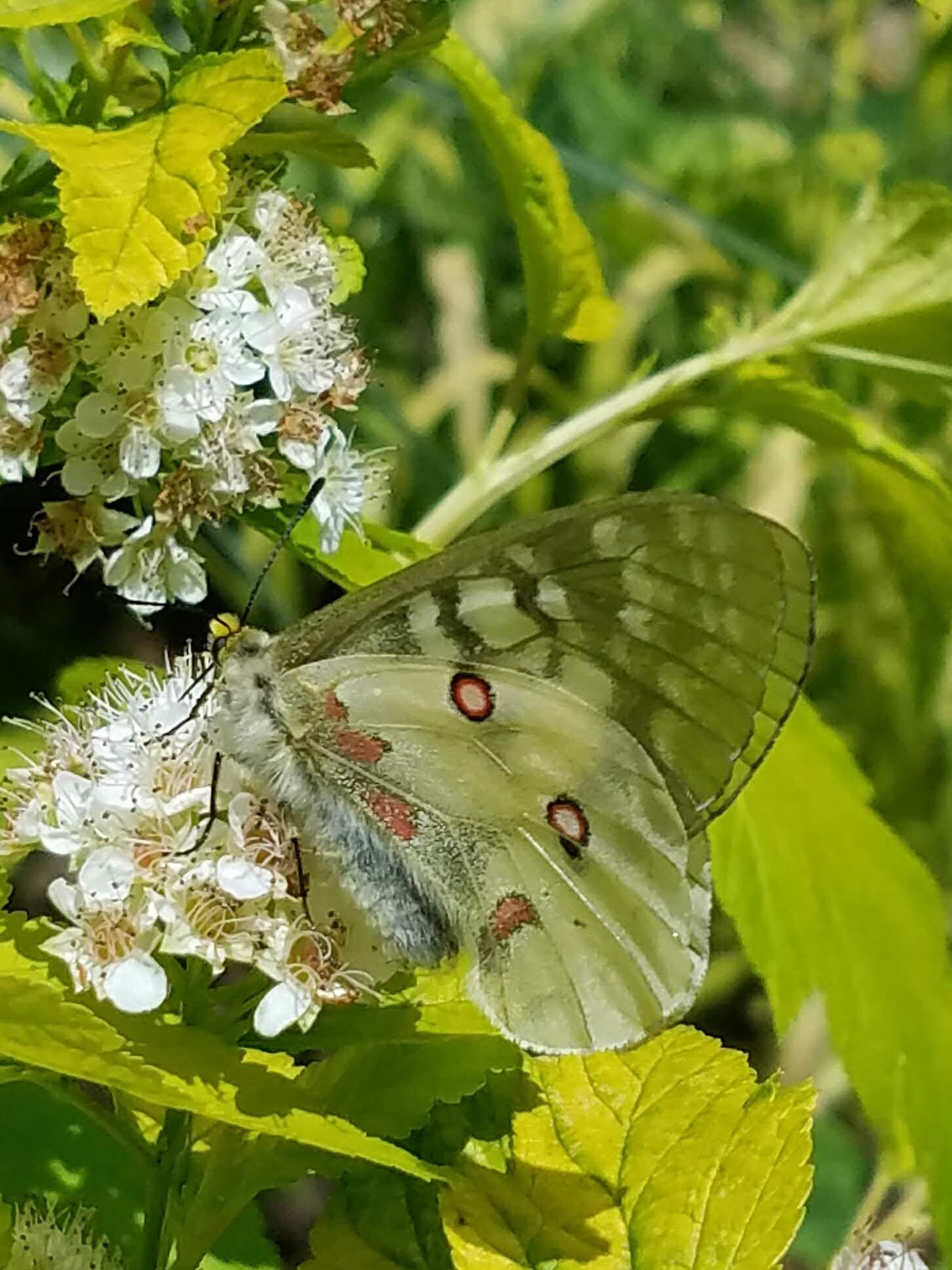
First, a few photos to help whet your palate:
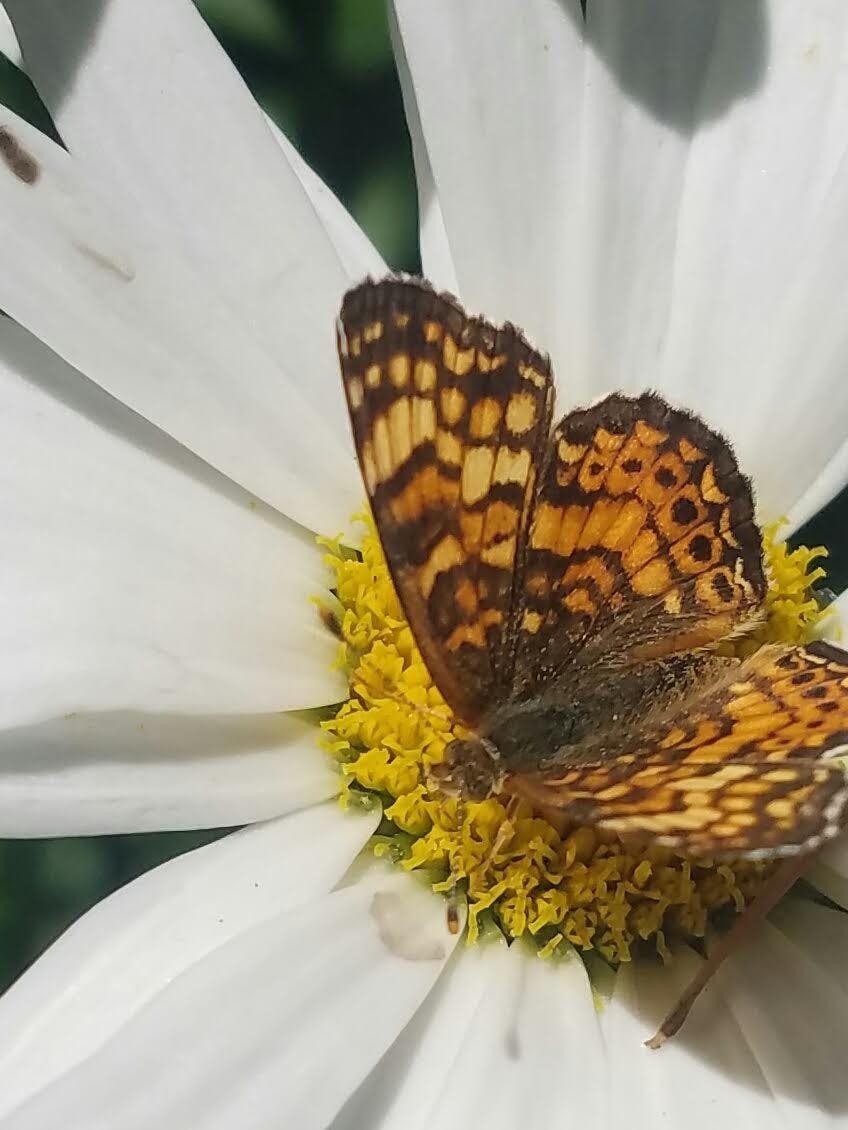
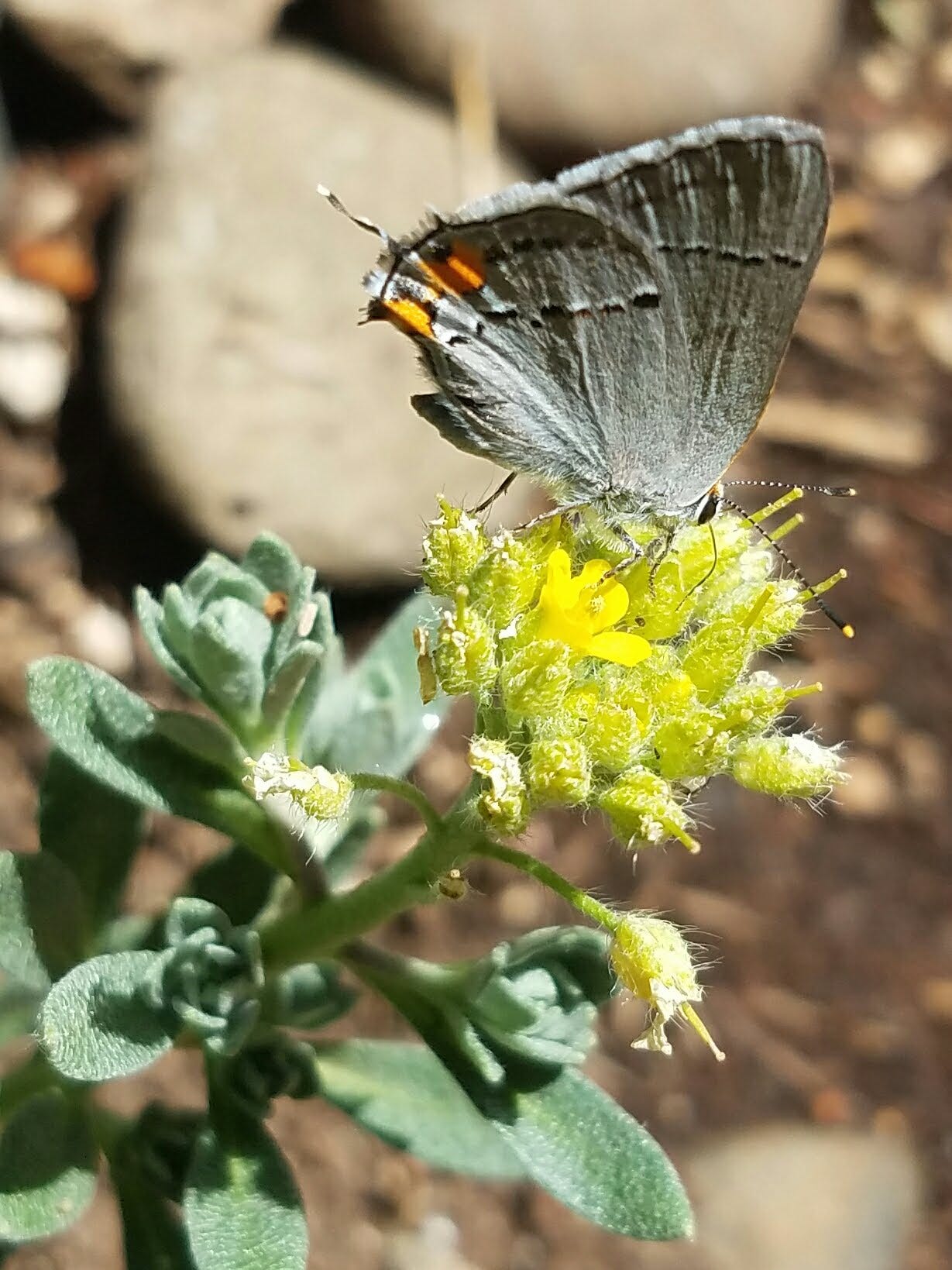
Plant list:
Alder: Western Tiger Swallowtail, Pale Swallowtail, Mourning Cloak, Green Comma
Ash: Western Tiger Swallowtail, Snowberry Checkerspot
Betula: Western Tiger Swallowtail, Pale Swallowtail, Green Comma, Mourning Cloak
Bittercress/toothwort (plants in the brassica family) : Sara’s Orangetip, Margined White
Blackberry (trailing, AKA dewberry: Two-banded Checkered Skipper
Bleeding hearts: Clodius Parnassian
Bluebunch Wheatgrass: Woodland Skipper
Broad-leaved Lotus (esp lotus crassifolius, AKA Hosackia Crassifolia): Bramble Green Hairstreak, Silver Spotted Skipper, Persius Duskywing
Buckwheats: Mormon Metal mark, Gray Hairstreak, Brown Elfin, Acmon Blue
Carrot family: Anise Swallowtail (69 host plants including natives and garden vegetables)
Cascara: Pale Swallowtail, Brown Elfin
Castilleja: Edith’s Checkerspot
Ceanothus: Pale Swallowtail, Echo Azure, Lorquin’s Admiral, California Tortoiseshell, Brown Elfin
Cedars (Western and Incense Cedar): Cedar Hairstreak
Celery-leaf lovage: Anise Swallowtail
Checkermallow: Painted Lady, West Coast Lady, Common Checkered Skipper, Two-Banded Checkered Skipper, Gray Hairstreak
Cherry (native Bitter and Chokecherry): Western Tiger Swallowtail, Pale Swallowtail, Echo Azure, Lorquin’s Admiral
Cinquefoil: Purplish Copper, Two-Banded Checkered Skipper
Clovers: Orange Sulfur, Eastern Tailed Blue, Gray Hairstreak, Persius Duskywing, Orange Sulfur
Collinsia: Edith’s Checkerspot
Cow Parsnip: Anise Swallowtail
Fescues: Common Wood Nymph, Sonora Skipper
Geum: Two-Banded Checkered Skipper
Grasses, unspecified native plants in our area Ochre Ringlet, Sonoran Skipper, Sachem, Arctic Skipper, Common Roadside Skipper
Hawthorne: Pale Swallowtail , Mourning Cloak
Huckleberry: Brown Elfin, Echo Azure
Lonicera: Snowberry Checkerspot, Edith’s Checkerspot
Lotus: Acmon Blue, Persius Duskywing, Gray Hairstreak, Western Tailed Blue, Silvery Blue
Lupines: Orange Sulfur, Silvery Blue, Eastern Tailed Blue, Acmon Blue, American Lady, Painted Lady, Persius Duskywing, Boisduval’s Blue, Orange Sulfur
Madrone: Brown Elfin, Echo Azure
Maples (Big Leaf, Vine, Douglas Maples): Western Tiger Swallowtail, Mourning Cloak
Manzanita (including Kinnikinnick): Brown Elfin, Echo Azure
Mimulus Guttatus: Mylitta Crescent, Snowberry Checkerspot, Edith’s Checkerspot
Mistletoe (on oaks): Great Purple Hairstreak
Mistletoe (on Hemlock and Doug Fir): Johnson’s Hairstreak
Oak: California Sister, Propertius Duskywing, Gray Hairstreak
Oceanspray: Pale Swallowtail, Echo Azure, Lorquin’s Admiral
Orthocarpos: Edith’s Checkerspot
Pea: Western Tailed Blue, Eastern Tailed Blue, Silvery Blue, Orange Sulfur
Pearly Everlasting: American Lady
Penstemmon: Snowberry Checkerspot, Edith’s Checkerspot
Polygonums: Purplish Copper, Gray Hairstreak
Poverty Oat Grass: Common Wood Nymph, Woodland Skipper
Poplars (cottonwoods): Western Tiger Swallowtail, Lorquin’s Admiral, Mourning Cloak
Rhododendron: Green Comma, Hoary Comma
Ribes (currant, gooseberry): Pale Swallowtail, Oreas Angelwing, Green Comma, Tailed Copper, Hoary Comma
Rockcresses: Julia’s Orange tip, Western White
Roses: Mourning Cloak, Lorquin’s Admiral
Rumex species: Purplish Copper, Great Copper, Gray Hairstreak
Rushes: Ochre Ringlet
Sedges: Ochre Ringlet, Dun Skipper, Common Ringlet, Dun Skipper
Sedums: Brown Elfin, Gray Hairstreak
Serviceberry: Pale Swallowtail, Brown Elfin, Lorquin’s Admiral
Snowberries: Snowberry Checkerspot
Spiraea Douglasii (and other spiraeas): Pale Swallowtail, Echo Azure, Mourning Cloak, Lorquin’s Admiral
Stinging Nettle: American lady, West Coast Lady, Red Admirable, Milbert’s Tortoiseshell, Satyr Angelwing, Green Comma, Painted Lady
Strawberry: Two-Banded Checkered Skipper, Gray Hairstreak
Sweet Cicely: Anise Swallowtail
Thermopsis: Persius Duskywing, Western Tailed Blue
Thistles: American Lady, Painted Lady, Mylitta Crescent
Toothworts: Mustard White, Western White, Sarah’s Orange tip
Watercress: Margined White, Western White
Water Parsnip: Anise Swallowtail
Western Crabapple: Western Tiger Swallowtail, Pale Swallowtail, Brown Elfin, Mourning Cloak, Lorquin’s Admiral
Willows: Western Tiger Swallowtail, Lorquin’s Admiral, Mourning Cloak, mma
Vetches: Silvery Blue, Eastern Tailed Blue, Western Tailed Blue, Gray Hairstreak
Violets: Western Meadow Fritillary, Great-spangled Fritillary, Hydaspe Fritillary, Zerene Fritillary
Resources:
Butterflies of the Pacific Northwest (book)
Life Histories of Cascadia Butterflies (book)
https://www.butterfliesoforegon.com/
www.calscape.org
www.pnwflowers.org
www.butterfliesandmoths.org
Donations: the information that is provided here is free for gardeners of all financial means. If you’d like to financially support this site, you can make one-time donations or monthly subscriptions on this link. All proceeds will fund more garden projects to share here with you, dear readers!
You’re a badass homesteader, Amy! Thank you for this awesome piece. 🦋