
Keystone Caterpillar Host Plants Specific to the Willamette Valley in Oregon
Host plants for butterflies and moths combined!

Listed below, in descending order, are counts of native host plants of all of the Lepidoptera (butterflies and moths) that reside specifically in the Willamette Valley of Oregon.
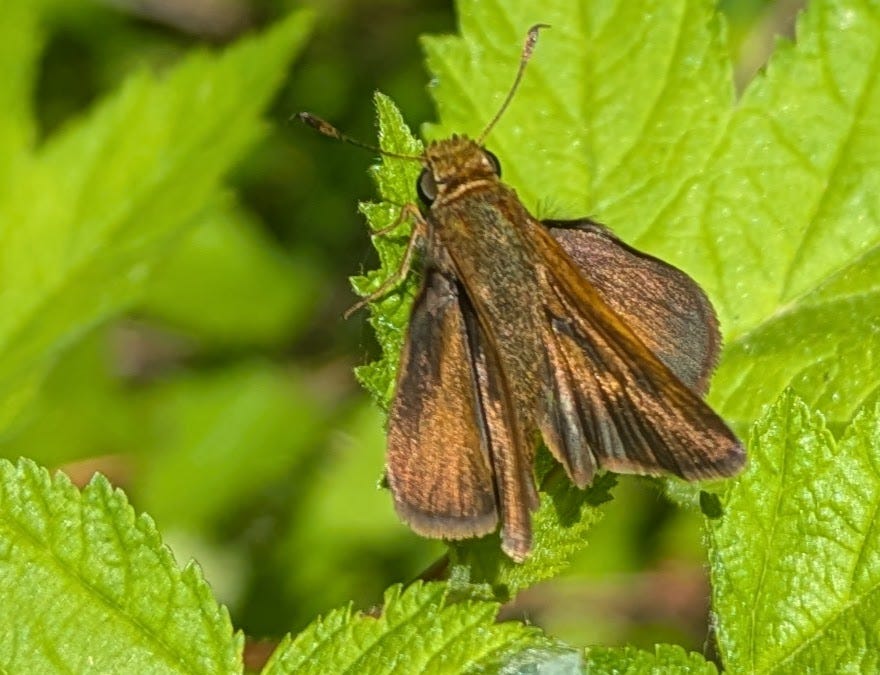
There are lots of “keystone” native plant lists out there. But if you dig into the details, you’ll see they most often include caterpillars that don’t even come close to residing in our bio-region. They also often include plants that are not native to our area. Thus the reason for a specific list for the Willamette Valley, to give a more accurate representation of the lepidoptera species residing in our area.
The focus on this post is solely to list those species that are most supportive of butterfly and moth species AND how many “specialists” use those plants. Specialists mean that this family of plants are the only one suited to a particular caterpillar species. For example, without Bleeding Hearts, there would be no Clodius Parnassian butterfly (a favorite in my garden). Without Fireweed and Snowberry, many day-flying Sphinx moths wouldn’t have food. Etc.
Donations: the information that is provided here is free for gardeners of all financial means. I feel that those who have the least resources are those who need this information most. If you’d like to financially support this site, myself and my family, you can make a one-time donation or monthly subscriptions on this link. Thank you SO much to the folks that have supported me. Your contributions mean so much!
Note that many caterpillars use deciduous trees interchangeably. The same is true for conifers. Oaks, however, have quite a few specialists that solely use oaks. Grasses support a tremendous amount of caterpillars that only feed on grasses. Ceanothus, Snowberry, Ribes, Lupines, Oceanspray, Stinging Nettle, Violets and Fireweed are all particularly supportive of specialist species as well.
If you would like to know which specific caterpillars host on which plants, please see the separate moth and butterfly pages respectively.
For the resources I used to tease out this information, please see the bottom of each of the above listed pages.
These pages are long and I suggest using the CTRL+F feature to pull up the search bar instead of scrolling if you are looking for a particular plant or Lepidoptera species.
The emphasis on caterpillar host plants is for the perspective of bird nestlings. Research has shown that caterpillars are the major food source that birds feed their young. That’s not necessarily to say that one native plant is more important than another, but if birds, butterflies, moths or bats (some of which feed exclusively on moths) are what motivates you to create and tend more habitat, then this list is for you.
Willows: approx total caterpillars supported 105, including two specialists.
Moths: Approx 101, including two moths that only feed on Willows.
Butterflies: 4
Alder: approx total caterpillars supported: 70, including 3 specialists.
Moths: 66, including 3 moth specialists that only feed on Alders.
Butterflies: 4.
Birch/Betula: approx total caterpillars supported: 62
Moths: 58
Butterflies: 4
Poplar/Cottonwood: approx total caterpillars supported: 62 including 2 that only feed on cottonwood.
Moths: 59 including two specialists.
Butterflies: 3.
Oak: approx total caterpillars supported: 60, including 17 specialists that only feed on oak.
Moths: 57, including 15 moth species that only feed on oaks.
Butterflies: 3 including one that only feeds on oaks.
Note: if you feel you don’t have the correct space for oaks, check out some of the other options that are available to you that are still native to Oregon. There are dwarf forms and some forms that accept shade!
Grasses: approx total caterpillars supported: 53, including most of which feed only on grasses.
Moths: 48 - most are specialists.
Butterflies: 5 - most are specialists on grasses.
Note: some grass species are specified, not including the above totals. Since the above are definitely generalists on all grasses, selecting the species below should support the generalists above as well.
Bluebunch Wheatgrass: 1 butterfly.
Bromes: 1 butterfly.
Fescues: 2 butterflies.
Deschampsia/Hairgrass: 1 butterfly.
Poverty Oat Grass: 2 butterflies.
Doug Fir: approx total caterpillars supported: 41, including 3 specialists.
Moths: 41, including 3 specialists.
Butterflies: 1.
Prunus/cherry: approx total caterpillars supported: 43, including 3 specialists.
Moths: 39, including 3 species that only feed on cherry species.
Butterflies: 4.
Hemlock: approx total caterpillars supported: 39.
Moths: 38.
Butterflies: 1.
Spruce: 34 moth species.
Maple: approx total caterpillars supported: 33.
Moths: 31
Butterflies: 2.
Pine: approx total caterpillars supported: 33 including one specialist.
Moths: 32, including one specialist.
Butterfly: 1.
Ceanothus: approx total caterpillars supported: 31 including 11 specialists.
Butterflies: 5, including 1 butterfly specialist.
Moths: 26, including 10 moth specialists.
Fir: approx total caterpillars supported: 31 Moth species.
Apple/malus/crabapple: approx total caterpillars supported: 29, including 1 specialist.
Butterflies: 5
Moths: 25, including one specialist.
Aspen: approx total caterpillars supported: 24, including 3 specialists that only feed on Aspens.
Moths: 24 including 3 specialists.
Huckleberry/Vaccinium: approx total caterpillars supported: 21.
Moths: 19.
Butterflies: 2.
Lupines: approx total caterpillars supported, 20, including 5 specialists.
Moths: 7 including 5 specialists.
Butterflies: 9, with an additional 4 suspected.
Ribes/Currant/Gooseberry: approx total caterpillars supported: 17, 5 of which are specialists on this family of plants.
Moths 13, including 3 moth specialists.
Butterflies: 5, includuding 2 butterfly specialists.
Snowberry: approx total caterpillars supported: 17, including 7 snowberry specialists.
Moths: 16, including 7 specialists.
Butterflies: 1
Oceanspray: approx total caterpillars supported: 15 including 2 specialists.
Moths: 13, including 2 moth specialists.
Butterflies: 3
Ash: total caterpillars supported: 14.
Moths: 12
Butterflies: 2
Western Red cedar: approx total caterpillars supported: 13 including two specialists.
Moths: 12, including one specialist.
Butterflies: 1 specialist.
Roses: approx total caterpillars supported: 13.
Moths: 10.
Butterflies: 3.
Hawthorne: approx total caterpillars supported: 12.
Moths: 10.
Butterflies: 2
Manzanita: approx total caterpillars supported: 12, including one specialist.
Moths: 10, including 1 specialist.
Butterflies: 2.
Clover: approx total caterpillars supported: 11.
Butterflies: 4.
Moths: 7.
Stinging Nettle/Urtica: approx total caterpillars supported: 10, including 4 specialists.
Moths: 4 including 2 specialists.
Butterflies: 6 including 2 specialists.
Spiraea: approx total caterpillars supported: 10, including one specialist.
Moths: 6, including 1 specialist.
Butterflies: 4.
Madrone: approx total caterpillars supported: 10.
Moths: 8
Butterflies: 2.
Fireweed/Epilobiums: 11 Moth species, 5 of which are specialists.
Honeysuckle: approx total caterpillars supported: 11.
Moths: 9.
Butterflies: 2.
Strawberry: approx total caterpillars supported: 8.
Moths: 6
Butterflies: 2.
Aster: approx total caterpillars supported: 8 moths.
Buckwheat: approx total caterpillars supported: 7, including 2 specialists.
Butterflies: 4, including one specialist.
Moths: 1, including one specialist.
Serviceberry: approx total caterpillars supported: 9.
Moths: 6.
Butterflies: 3.
Blackberry: approx total caterpillars supported: 8, including two Rubus Generalists.
Butterflies: 1
Moths: 7.
Sedges: approx total caterpillars supported: 7 including two specialists.
Moths: 4 including one moth specialist.
Butterflies: 3 including one butterfly specialist.
Lotus: 7 butterfly species.
Vetch/pea: approx total caterpillars supported: 6
Butterflies: 5
Moths: 1.
Checkermallows: 6 butterfly species.
Violets: 5 approx caterpillar species supported including 4 specialists.
4 butterflies, all specialists on violets.
1 Moth.
Thistles: approx total caterpillars supported: 5 including one specialist.
Moths: 1 specialist.
Butterflies: 4.
Cascara: approx total caterpillars supported: 5.
Moths: 3
Butterflies: 2.
Elderberries: approx total caterpillars supported: 5, including two specialists.
Moths: 4, including 2 specialists.
Butterflies: 1.
Dogwood: approx 5 total caterpillar species.
Moths: 4.
Butterflies: 1.
Note: I was only able to ascertain that two of the moth species use dogwood tree specifically, and the butterfly uses redtwig dogwood. The others are unspecified on dogwood.
Goldenrod: approx 5 total moth caterpillar species.
Raspberries: 5 Moth species, including one moth specialist and two rubus generalists.
Rushes: approx 4 total species, including 3 specialists.
Moths: 3 Moth specialist species.
Butterfly: 1.
Evening Primrose: 5 Moth species, including 1 specialist.
Plantain: 4 Moth species.
Chickweed: 4 Moth species.
Coyote Mint: 3 Moth species, 2 of which are specialists.
Deerweed: 3 moth species, including two specialists.
Artemisia: approx total caterpillars supported: 3
Moths: 1
Butterflies: 2, plus one suspected
Dock: 3 Moth species.
Larch: 3 Moth species.
Lactuca (wild lettuce): approx total moth caterpillars supported: 3 including one specialist.
Viburnum: 3 caterpillars supported. 1 butterfly and 2 moths.
Watercress: 3 butterfly species.
Bedstraw/Galium: 3 Moth species.
Rumex/Polygonums: 3 butterfly species.
Columbine: 2 moth species.
Mertensia: 2 moths — including 1 Moth specialist.
Rockcress: 2 butterflies.
Dogbane: 2 moths, including one specialist.
Sedums: 2 butterflies.
Thermopsis: 2 butterflies.
Salmonberry: 2 moths, one of them specialist on salmonberry.
Senecio/Ragwort: 2 moth species.
Rubus generalists: 2 moths.
Pussytoes: 2 moths, including one specialist.
Brassicas, unspecified: 2 specialist Moth species.
Ferns, unspecified: 2 moth species.
Cattails: 2 specialist Moth species.
Cow Parsnip: approx total caterpillars supported: 2.
Moths: 1
Butterflies: 1
Clarkia: 2 moth species.
Claytonia: 2 specialist Moth species.
Cinquefoil: 2 butterfly species.
Sumac: 2 moth species, 1 is a specialist.
Sword fern: 2 moth species, 1 is a specialist.
Bittercress/Toothwort: 2 butterfly species.
Oxalis: 2 specialist Moth species.
Beaked Hazelnut: 2 moths.
Kinnickkinnick:—2 (1 butterfly, 1 Moth).
Knotweed: 2 butterflies.
Geum: 2— (butterfly and 1 Moth).
Ninebark: 2 moths.
Yarrow: two caterpillars supported.
Moths: 1 specialist.
Butterflies: 1, suspected two additional.
Bleeding heart: 1 butterfly species that is a specialist on this plant.
Veratrum/False Hellebore: 1 Moth specialist.
Osoberry/Indian Plum: 1 specialist Moth.
St. John’s Wort: 1 Moth specialist.
Licorice: 1 butterfly.
Castilleja/Paintbrush: 1 butterfly.
Collinsea: 1 butterfly.
Salal: 1 butterfly.
Grindelia: 1 specialist Moth suspected.
Verbena: 1 Moth.
Veronica: 1 Moth.
Baccharis: 1 Moth.
Pondweed: 1 Moth.
Redbud: 1 Moth.
Milkweed: 1 butterfly species, with another suspected.
Carrot family, in general (Angelica, lovage, lomatium, cow parsnip, etc.): 1 butterfly.
Smartweed: 1 Moth.
Orthocarpos: 1 butterfly.
Sneezeweed: 1 Moth.
Meadowrue: 1 Moth.
Oregon Sunshine: 1 Moth.
Leptosiphon: 1 Moth specialist.
Paintbrush: 1 Moth specialist.
Horkelia: 1 Moth.
Mint: 1 Moth.
Phlox: 1 Moth.
Mock Orange: 1 Moth.
Mustard: 1 Moth.
Iris: 1 Moth.
Hound’s Tongue: 1 Moth.
Madia: 1 Moth.
Hawksbeard: 1 Moth.
Mahonia/Oregon grape: 1 specialist Moth.
Duckweed: 1 Moth.
Clematis: 1 specialist Moth.
Figwort: 1 Moth.
Brackenfern: 1 Moth.
Geranium: 1 Moth.
Donations: the information that is provided here is free for gardeners of all financial means. I feel that those who have the least resources are those who need this information most. If you’d like to financially support this site, myself and my family, you can make a one-time donation or monthly subscriptions on this link. Thank you SO much to the folks that have supported me. Your contributions mean so much!
Fabulous! Had no idea you were doing this work. Thank you!